Picture the first conversation about your Q4 campaign. There is a sales target, a possible shoot date and a discussion about how much to spend on Meta.
Then someone asks what the offer will be.
The answer matters to almost everything that follows: what you photograph, what your ads say, where customers land and how much money remains once the orders have gone out.
For health, beauty and wellness brands, those decisions deserve time now. October gives you an opportunity to learn what customers respond to, improve the buying experience and prepare for the changing demands of the quarter.
We would build that conversation around five connected strategies, following the customer from the first offer they see to the next order they place.
Give the offer a clear purpose
Imagine a customer discovering your skincare range for the first time. She likes the products, but she is unsure where to start. A discount gives her a lower price. A clearly explained starter routine can also help her choose.
That is an offer worth exploring.
Vogue’s coverage of Jones Road’s 2025 holiday collection provides a small example: the brand grouped products into five trios, including lip and fragrance sets. The selection gave each offer a recognisable theme. Vogue’s Jones Road feature.
For a local business, the equivalent might be a wash-day routine, a travel collection or a starter set built around products customers already buy together. The appeal should be easy to explain in a sentence.
Then comes the commercial conversation. What remains after product costs, packaging, payment fees, delivery support and advertising? A larger basket can still leave too little behind.
We would settle that question before commissioning the campaign. It gives the creative team something concrete to communicate and the owner a clearer basis for deciding how much to spend acquiring a customer.
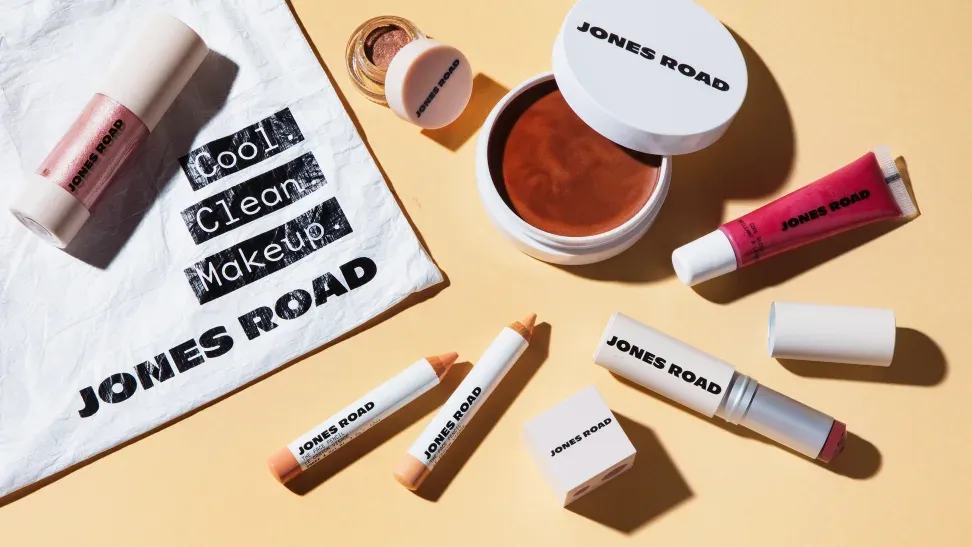
Jones Road product sets — curated routine trios that give seasonal campaigns a recognisable, easily explained theme.
Brand reference — Jones Road Beauty
Make the creative answer a real question
With the offer agreed, it is tempting to go straight to beautiful product photography. Your customer, meanwhile, is scrolling between messages, friends’ posts and everything else competing for her attention.
The photograph needs to give her a reason to pause.
A useful starting point is the question customers ask before buying. What does the texture feel like? How does this fit into my routine? Why did you include these products in the set?
In a 2025 ELLE interview, Pattern Beauty founder Tracee Ellis Ross explained choices behind the brand’s body-care range, including its fragrance and her own routines. Those details gave readers context for the products. ELLE’s Pattern Beauty interview.
Our takeaway for Q4 creative is to make that explanation visible. A founder can talk through the thinking behind a set. A demonstration can show how the products work together. A short video can answer a question repeatedly appearing in customer messages.
These give you distinct ideas to test. As results come in, look beyond which video attracts attention to which one brings interested customers through to a purchase.
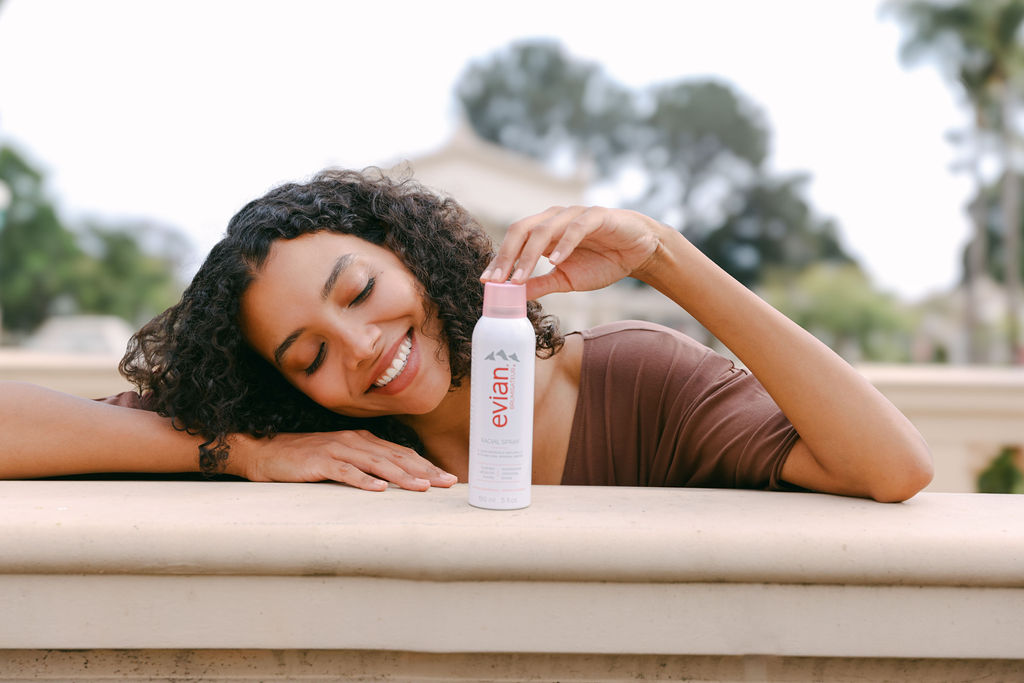
Creative demonstrating product context and daily routines — giving customers a clear reason to pause while scrolling.
Campaign reference — Beauty & Skincare
Carry the promise through to the store
Now the customer clicks on your routine ad and arrives on a mobile page showing the entire catalogue.
The campaign has introduced an idea. The customer has to find it again.
Forbes reported that Rhode launched in 2022 with three products, with Hailey Bieber explaining her preference for an edited range because too many choices could feel overwhelming. Forbes’ interview on Rhode’s launch.
For an established store, our interpretation is to give each campaign a clear place to land. An ad for a particular set should lead directly to that set, with its contents, sizes, price and purpose easy to understand.
Then consider the questions that remain. Can I see the product clearly? What will delivery cost? When should it arrive? Can I complete the purchase comfortably on my phone?
These details belong in Q4 planning alongside the ads. Before increasing traffic, walk through the purchase yourself on a phone, from the actual ad link to checkout. Notice where you have to search, hesitate or make an assumption.
That is useful information to have before paying for more visitors.
Plan the quarter around what you can deliver
A campaign can look ready while the business is still waiting for packaging, a supplier shipment or the next batch of content.
Suppose your most promising ad promotes a set with one component almost out of stock. The marketing and stock decisions suddenly become the same conversation.
World Wide Worx’s September 2026 South African online-retail research identifies delivery economics as a competitive pressure. Its accompanying consumer commentary also highlights the importance of convenience. World Wide Worx’s South African research.
For Q4, we would bring that thinking into the campaign calendar early. October can be a period for testing offers and messages, with spending decisions informed by sales, margins and available stock as the quarter develops.
There is a local creative consideration, too. South Africa is moving towards summer. Travel, changing routines and warmer-weather occasions may provide more relevant campaign settings than the winter imagery in international festive campaigns.
The aim is to keep the message, inventory and delivery promise in step. If one changes, the campaign needs to reflect it. A customer should be able to trust the experience the ad introduces.
Give the first order a thoughtful follow-up
Finally, the parcel arrives. Someone opens your products for the first time.
What happens next?
In a September 2026 NutraIngredients interview, AG1’s creative leader discussed the importance of reassuring existing subscribers about their decision to continue buying. It is a useful reminder that communication still has a job after acquisition. NutraIngredients’ AG1 interview.
For a smaller brand, that can begin with a few thoughtful emails. A customer who bought a routine might receive help understanding the products and a clear way to ask questions. Later, a replenishment reminder can arrive at a sensible interval for what they actually purchased.
Those messages can run through ordinary ecommerce email automations. Their value depends on their relevance: someone buying a gift may need a different conversation from someone replenishing a regular order.
An October customer could still be buying from you after Q4. Giving that relationship attention from the beginning makes repeat purchasing part of the plan.
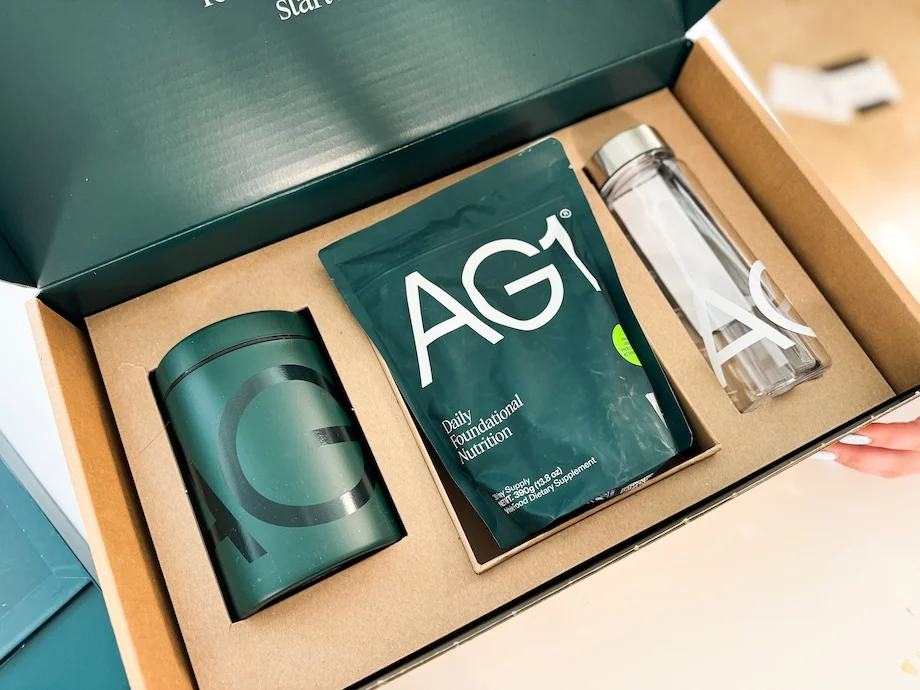
The first parcel arrives — clear presentation and onboarding communication help turn a first-time buyer into a long-term customer.
Brand reference — AG1
When the next campaign meeting comes around, there will still be a budget to agree and ads to approve. But those decisions become more useful when the team understands the offer, the buying journey and the experience that follows.
That is the Q4 conversation we would want to have now.